Why Scalability Should Be a Priority from Day One
Building a product is one thing.. Building a product that continues to work smoothly as it grows is a completely different challenge. When you are starting out it is easy to focus on getting something working.
You are thinking about launching, solving a core problem and getting your first users. What happens when those users turn into hundreds, then thousands, then millions? That is where scalability comes in.
Scalability is important because it helps your product handle growth without breakdowns, rewrites or stressful fire-fighting. In this guide we will break down how to architect products in a practical way so your system grows with you not against you.
What Does "Scalable by Design" Mean in Software Architecture?
A scalable product is one that can handle increasing demand without losing performance, stability or user experience. This growth could come in forms, such as more users, more data, more features or more integrations.
Being scalable by design means you have planned your architecture in a way that supports this growth from the start not as an afterthought. It does not mean predicting the future but creating a flexible foundation that can evolve as your product grows.
Scalable by design means you are making decisions so your product can handle growth without constant breakdowns.
Why Scalability Matters for Long-Term Product Success
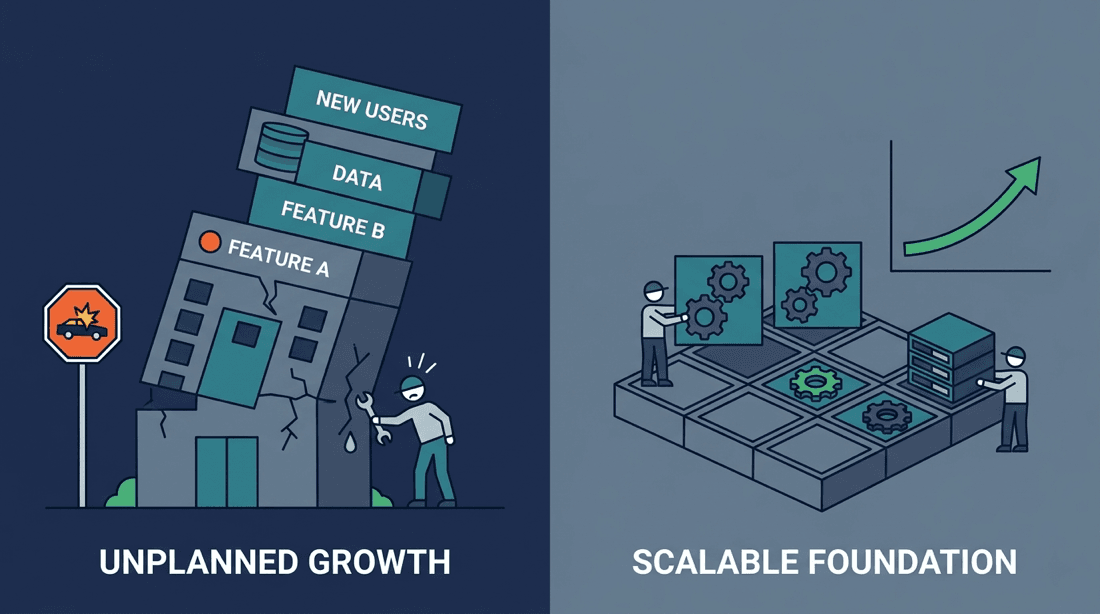
At first scalability might feel like something you can worry about later. All growth sounds like a good problem to have. Without preparation growth can quickly become overwhelming.
Common issues with scalability include slow load times and system crashes frustrated users leaving your product increasing development and maintenance costs and difficulty adding new features.
Scalability matters because it helps you avoid these problems and ensures your product remains stable as demand increases. Planning for scalability early helps you ensure your product remains stable.
Start Simple: The Foundation of Scalable Systems
One of the myths about scalability is that you need a complex system from day one. In reality, starting simple is often the move. You do not need to build for millions of users if you only have ten.
What you need is a well-structured system that can expand when needed. Think of it like building a house. You do not start with ten floors. You make sure the foundation can support them later. Focus on clarity, structure and maintainability. Complexity should come when it is necessary, not before. Start simple. Build a strong foundation for your scalable system.
Modular Architecture: Building Blocks for Scalable Products

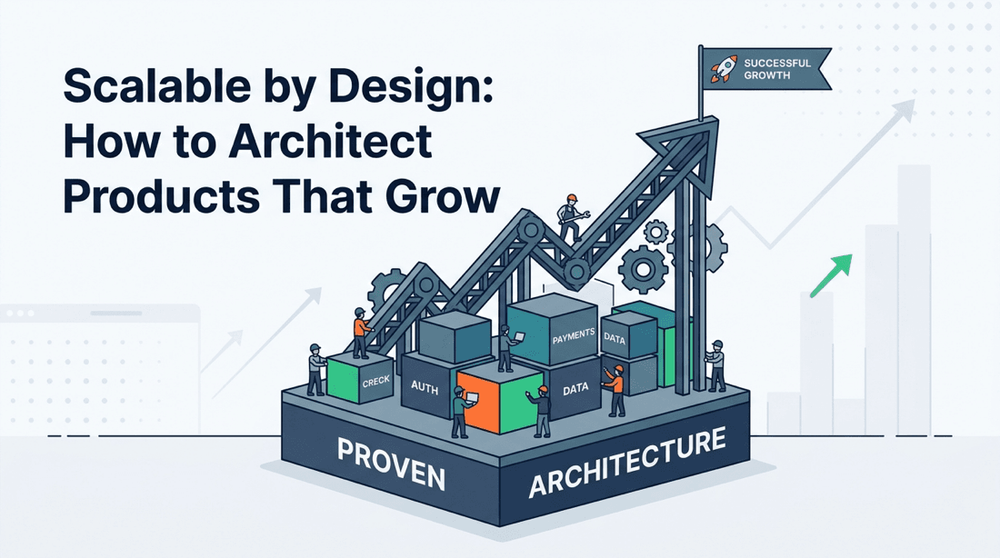
A key principle of software design is modularity. By building one large tightly connected system you break your product into smaller independent components.
Each component handles a responsibility. Benefits of architecture include easier updates and maintenance, better flexibility for future changes, ability to scale individual components and reduced risk of system-wide failures.
For example your authentication, payments and user dashboard should ideally function independently. This allows you to improve one area without affecting the system. Modular architecture is important for building products.
Service-Oriented Thinking: Designing Beyond Features
As your product grows it is helpful to think in terms of services rather than just features. A feature is what users see. A service is what powers it behind the scenes.
Designing with services allows you to reuse functionality across your system, scale high-demand areas independently and improve performance efficiently. You do not need to jump into microservices. Even a structured monolithic system can follow service-based design principles. Service-oriented thinking is important for designing products.
Data Scalability: Preparing for Growth in Data Volume
Data is often one of the challenges in scaling a product. As your user base grows so does the amount of data you need to manage. Without planning this can slow down your system significantly.
Key considerations for data architecture include choosing the right database type, structuring data efficiently using indexing for faster queries and planning for backups and recovery.
Making data decisions early can prevent major performance issues later. Data scalability is important for preparing for growth in data volume.
Performance Optimization: A Core Part of User Experience
Users do not think about your architecture. They care about speed and responsiveness. If your product feels slow users will notice immediately. To maintain performance you should optimize database queries, use caching where appropriate, minimize unnecessary processing and monitor system performance regularly.
Performance should always be treated as a core feature, not something to fix later. Performance optimization is a part of user experience.
Proven Scalability Patterns in Software Architecture
There are architectural patterns that help systems scale effectively. You do not need to implement all of them but understanding them is important. These patterns include scaling, load balancing, caching and queueing. These patterns allow your system to handle increased demand without breaking under pressure. Proven scalability patterns are important for building products.
Handling Bottlenecks in Growing Systems

As your product grows, bottlenecks are inevitable. These could appear as database queries, overloaded services or resource-heavy features. The goal is not to avoid bottlenecks but to detect and fix them quickly.
Monitoring tools and logging systems help you identify issues early so you can resolve them before they impact users. Handling bottlenecks is important for growing systems.
Automation and DevOps: Scaling Operations
Manual processes do not scale well. As your system grows, tasks like deployment, testing and infrastructure management become more complex.
Automation helps you deploy updates faster and more reliably run tests and manage infrastructure efficiently. Even basic automation can save time and reduce errors as your product scales. Automation and DevOps are important for scaling operations
Security in Scalable Systems: Protecting Growth
As your product grows so do security risks. More users mean sensitive data and more responsibility.
Scalable security practices include authentication and authorization data encryption, regular security testing and monitoring for threats. Security should be built into your architecture from the beginning not added Security is important for protecting growth in systems.
Balancing Speed vs Scalability in Product Development
There is always a trade-off between moving and building for the future. In stages speed is important. Ignoring scalability can lead to technical debt that slows you down later.
The key is balance. Build quickly. Thoughtfully avoid shortcuts that limit future growth and choose solutions that can evolve over time. This approach allows you to stay agile without sacrificing long-term stability. Balancing speed and scalability is important for product development.
Evolving Architecture: Why Change is Part of Scalability
No system stays the same forever. As your product grows your architecture will need to evolve. New features, user behavior and business needs will all influence your system. Scalability is not about perfection it is about adaptability.
Refactoring and improving your system over time is a necessary part of growth. Evolving architecture is important for scalability.
The Role of Development Teams in Scalable Architecture
Technology does not create scalable systems. People do. A strong development team contributes by communicating following coding standards, documenting decisions and thinking long-term.
The right team can turn a simple architecture into a scalable and reliable system. Development teams play a role in scalable architecture.
Real-World Growth: Scaling Step by Step
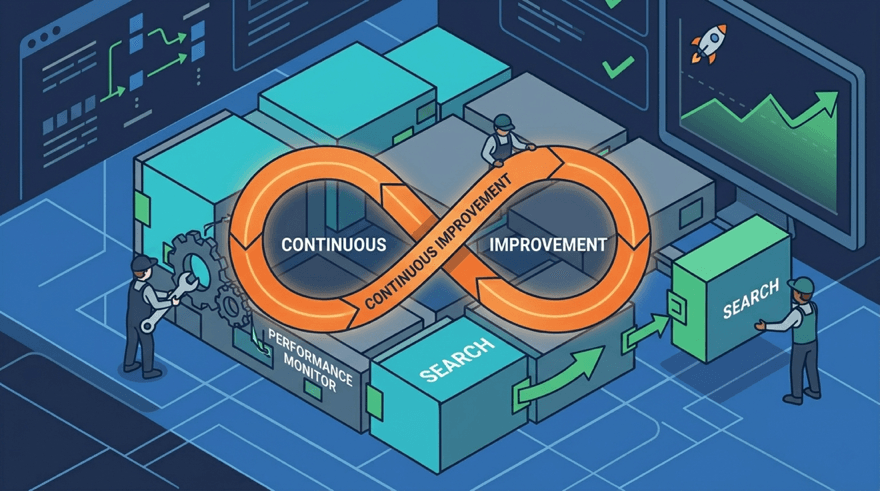
Products do not grow overnight. Growth usually happens gradually, giving you time to learn from users, improve weak areas and introduce scalability solutions when needed.
You do not have to prepare for everything at once. You just need to be ready to adapt as you grow. To make this process more practical, here are some simple steps you can follow as your product scales:
1. Start with a small, focused user base: In the beginning, focus on a limited group of users. This helps you understand real behavior instead of making assumptions.
2. Learn from user feedback early: Pay attention to how users interact with your product. What works well? What causes confusion? These insights guide your next improvements.
3. Improve weak areas continuously: As you identify performance issues or usability problems, fix them early. Small improvements at this stage prevent bigger problems later.
4. Introduce scalability solutions gradually: You do not need advanced architecture from day one. Add things like caching, better databases or load handling only when demand increases.
5. Monitor performance as you grow: Keep track of how your system behaves with more users. Monitoring helps you catch issues before they become serious.
6. Stay flexible and adapt: Your product will change as your users grow. Be open to adjusting your architecture, features and priorities based on real needs.
Real-world growth is important for scaling step by step. It is not about preparing for everything in advance. It is about learning, improving and adapting at the right time.
Building Products That Grow with Confidence
Designing software is not about building the most complex system. It is about building the right system for your current stage with a clear path forward.
By focusing on simplicity, modularity, performance and continuous improvement you can create a product that grows smoothly over time. Scalability is not about handling more users. It is about consistently delivering value no matter how big your product becomes.
If you approach it with the mindset you will not just build a product that works. You will build one that lasts. Scalable products are the key to long-term success.