Building a custom software product is exciting because it is where ideas turn into real and dedicated solutions. But for many founders and business leaders, the process remains unclear. How long will it take? What will it cost? What actually happens between idea and launch?
If you are considering investing in custom software product development, going with a proactive approach can help you make smarter decisions, avoid unnecessary costs, and set realistic expectations.
In this article, we will explore exactly what to expect from the first idea to scaling a successful product.
Why Businesses Choose Custom Software Over Off the Shelf Solutions?
Already developed solutions can be useful in the early stages, but they often come with limitations. As your business grows, these limitations become hectic. Custom software, on the other hand, is built to your specific needs.
It allows you to:
• Create dedicated workflows that aligns with your business model
• Deliver a unique user experience
• Scale without being restricted by third-party limitations
• Build a long-term competitive advantage
The Key Stages of Custom Software Product Development
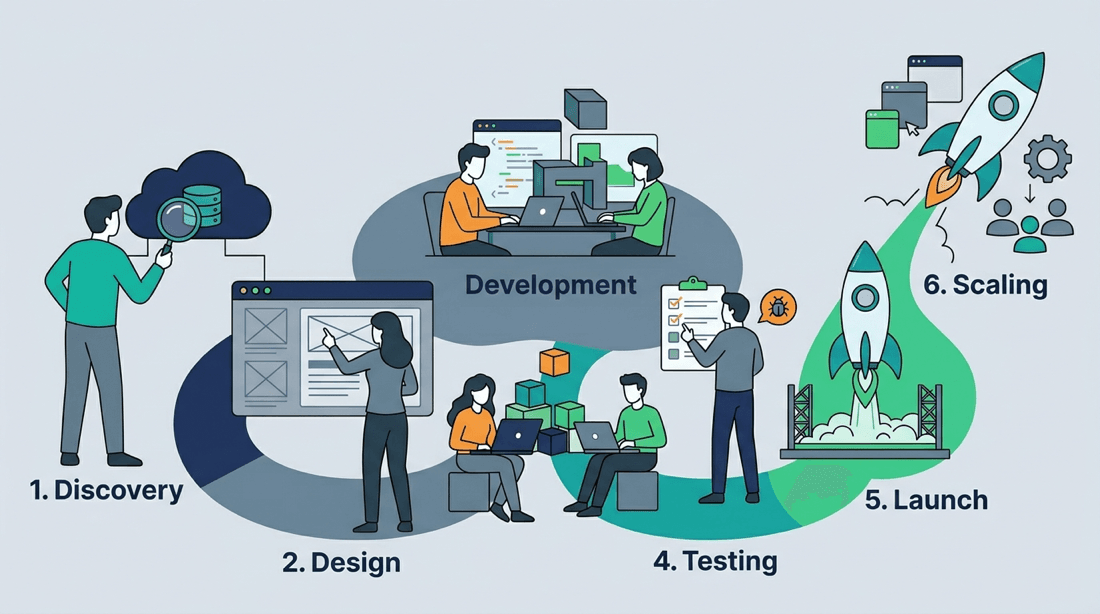
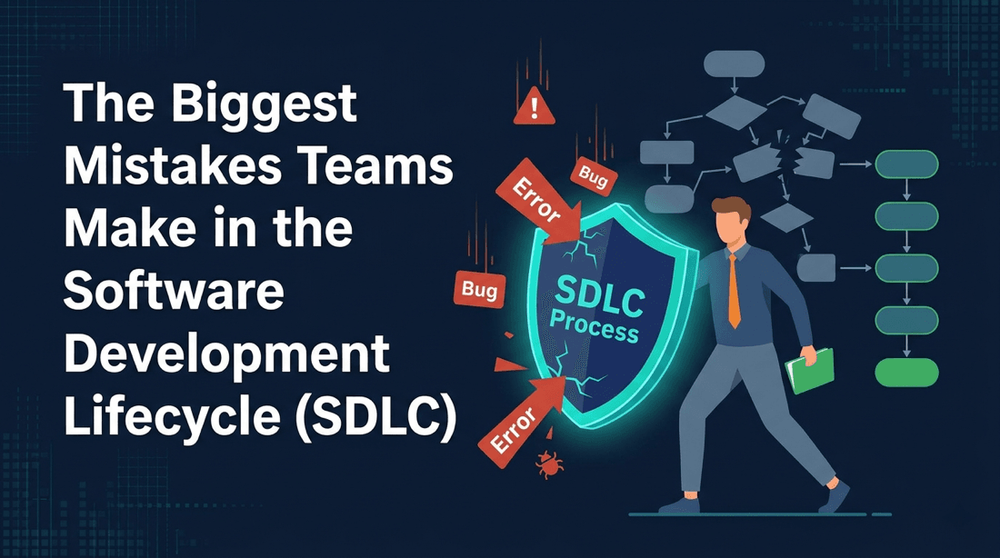
Every successful product follows a structured process. While approaches may differ, most teams follow a similar SDLC when they build custom software.
1. Discovery & Planning
This is the first and most critical phase of the custom software product development. Before any code is written, you need clarity on who your target users are, what problem you are solving, and which features matter foremost. This stage ensures you are building the right product, not just building fast. During this phase, teams typically:
• Conduct market and competitor research
• Define user personas and journeys
• Prioritize features for an MVP (Minimum Viable Product)
• Create wireframes or clickable prototypes
2. UI / UX Design
Once the idea is validated, the focus shifts to how the product will look and feel. Good design is not just about aesthetics; it directly impacts adoption and retention. A well-designed product reduces friction and makes your software easier to use from day one. This includes:
• Designing intuitive user flows
• Creating clean, user-friendly interfaces
• Testing designs with real users
3. Development Phase
This is where your product comes to life, as designs and ideas are transformed into a functional application through code. It involves building both the frontend and backend, integrating systems, and continuously refining features through iterative development.
The development stage typically includes frontend development (UI), backend development (servers, databases, logic), APIs integration and third-party services. Client expect regular updates, demos, and collaboration throughout this stage. Most modern teams follow an Agile development approach, breaking the project into smaller iterations (sprints). This allows for:
• Continuous feedback
• Faster adjustments
• Better alignment with business goals
4. Testing & Quality Assurance
Before launch, your product needs to be tested thoroughly. Skipping or rushing this stage can lead to poor user experience and costly fixes later. It ensures:
• Features work as intended
• Bugs are identified and fixed
• Performance is stable under load
• Security vulnerabilities are addressed
5. Launch & Deployment
Launching your product is a major milestone, but it’s not the end of the product. Early user feedback becomes extremely valuable here. It helps identify improvements and validate real-world usage. At this stage:
• The application is deployed to production
• Final checks are completed
• Monitoring tools are set up
6. Scaling & Continuous Improvement
After launch, maintenance begins. Custom software is not a one-time project, rather, it’s an ongoing process of improvement and growth. Successful products evolve continuously. This includes:
• Adding new features
• Improving performance
• Fixing issues based on user feedback
• Scaling infrastructure as demand grows
How Long Does It Take to Build Custom Software?
One of the most common questions is about timelines. The answer depends on complexity, but here are general expectations:
• MVP (Minimum Viable Product): 2–4 months
• Mid-sized product: 4–8 months
• Complex platforms: 6–12+ months
What Does It Cost to Build Custom Software?
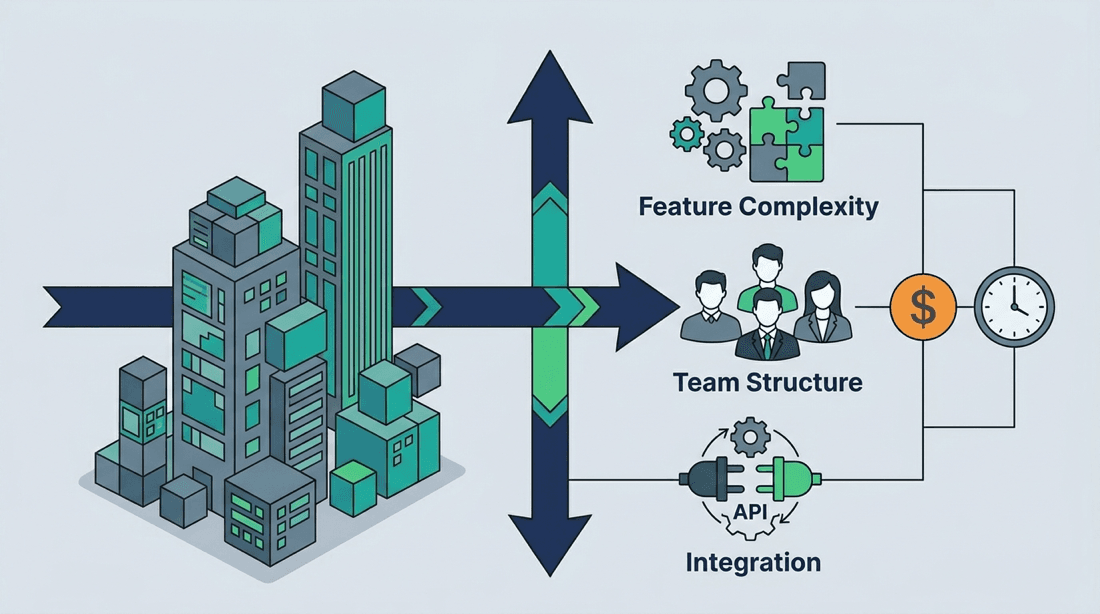
It is preferable to consider long-term value rather than just upfront costs. Effective custom software lowers operational inefficiencies and grows with your company, increasing ROI over time. There’s no one-size-fits-all answer, but understanding the cost drivers helps. Key factors include:
• Feature complexity
• Design requirements
• Technology stack
• Development team structure
• Maintenance and support
Common Challenges (And How to Avoid Them)
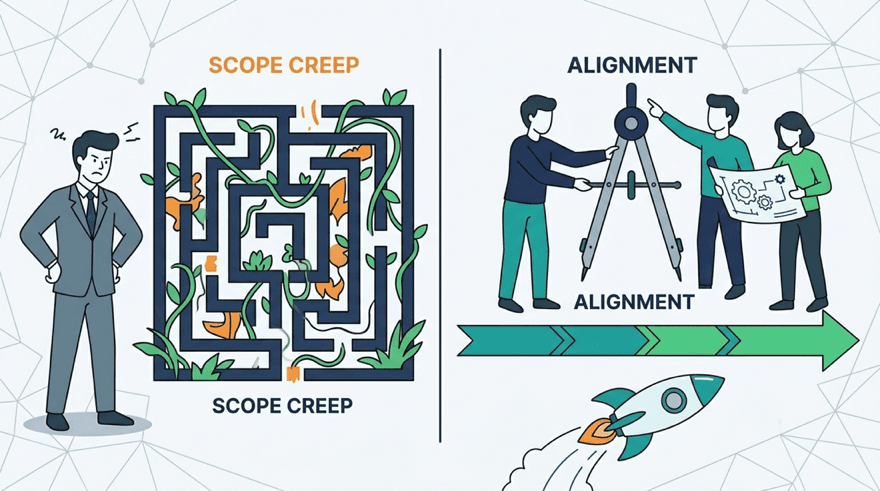
Building a software product comes with challenges, especially if expectations aren’t aligned early.
1. Scope Creep
Adding features mid-development can delay timelines and increase costs.
Solution: Prioritize features and stick to an MVP-first approach.
2. Poor Communication
Misalignment between stakeholders and developers leads to rework.
Solution: Maintain regular check-ins and clear documentation.
3. Skipping Discovery
Jumping straight into development often results in building the wrong product.
Solution: Invest time in validation and planning.
4. Unrealistic Expectations
Expecting fast delivery without understanding complexity can lead to frustration.
Solution: Set realistic timelines and milestones from the start.
How to Choose the Right Development Partner
The success of your product heavily depends on who you build it with. The right partner will challenge your assumptions, polish your ideas, and guide you throughout the journey, along with executing tasks. When evaluating a partner, look for:
• A productive mindset, not just coding skills
• A clear and structured development process
• Clear communication
• Experience across industries and technologies
Final Thoughts!
Building a custom software product is not merely writing code; rather, it is about solving real problems and creating value over time by providing benefits to end users. Throughout the process, every stage plays an important role in refining the final product. The more clarity you have initially, the smoother the journey becomes.
If you approach it with the right expectations, a strong process, and the right team, custom software can become one of your most powerful business assets.
From initial idea to final launch (and beyond), we handle the entire process. Want to build your custom product or know more about our process? Just hit us up at let’s talk about your project.